Happy #GreenGirlDay, everyone. This theatre nerd is determined to make that phrase a thing because I love the musical Wicked, and cerebral palsy is represented by green 💚I asked all of you in my audience to send me your questions regarding CP or just life in general, and I got six amazing questions! You can keep sending me your questions, because I love doing Q and A episodes. Here are the six questions I was asked.
1. What is the biggest misconception about Cerebral Palsy?
This question can be answered in two ways. One, people may often think that CP looks the same in everyone who is diagnosed with it, when in fact, there are four main types of CP and how it affects a person depends on what part of the brain is injured.
In regards to social misconceptions. A person should never assume that a person with CP or any other disability is incapable of speaking up for themselves. If you are in a conversation with a person who uses a piece of equipment and a person who does not use any equipment, be sure to talk to both people. We can speak for ourselves, and we do not always need someone to speak for us.
2. Were you born prematurely?
Yes, I was born eleven weeks early. I was born in Glendale, California, but immediately rushed to Children’s Hospital of Los Angeles, where I spent my first three months of life and had my first major operation.
3. How are you doing?
I am doing great! My life group semester started a few weeks ago, and I am attending two groups this semester—one on Tuesday night and one on Wednesday night. I love having the freedom that access service provides. It allows me to be independent.
4. Do you have a plan for the future?
Yes and no, it’s like seeing steps without seeing the staircase. I am working on building my independence by using my walker basket, and I am grateful that I know how to get myself dressed. I would suggest to anyone looking to increase or start to develop physical independence to look into going to physical therapy for the purpose of it being life skills therapy. Therapy is one of the most frustrating, physically and mentally draining experiences I have ever been through, but I am grateful that I spent a year learning to dress myself.
5. What do you wish people understood most about you?
I want people to understand that I will not be able to do everything 100% correctly every day. I have good days, and I have “off” days.
6. What is my biggest struggle?
Getting dressed can be a big one. The time that it takes me to get dressed can depend on how I am feeling and what I choose to wear.
Listen Now
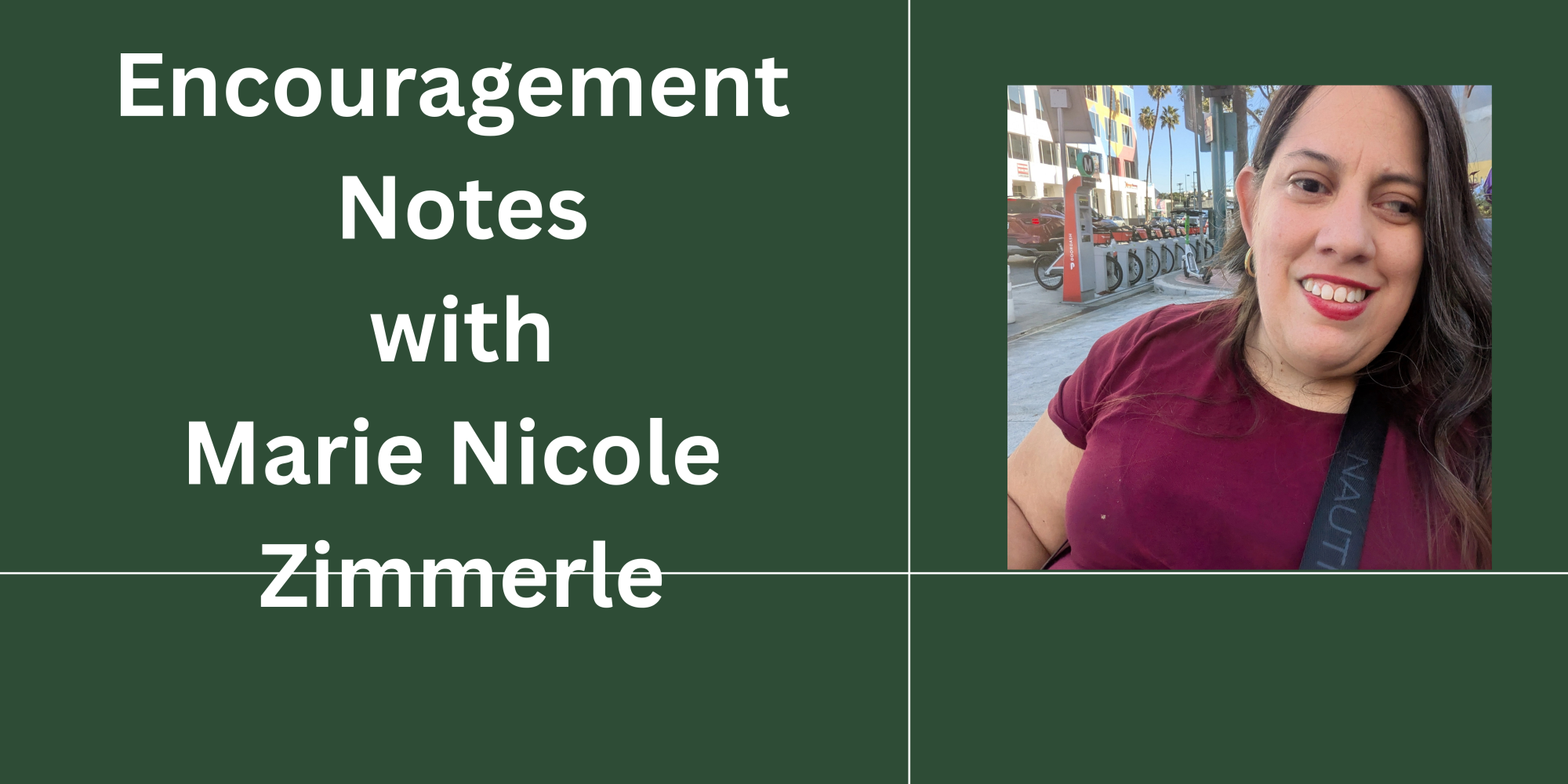
 Encouragement Notes Podcast